
In the years after Fortnite took over the live-service scene, the space became an incredibly attractive option for eager publishers looking to carve out a piece of what was seen as a lucrative and previously unconquered frontier in modern gaming. Alongside it stood Destiny, Apex Legends, GTA Online, and Warzone — titles that proved the model could work, and work well.
The notion that every franchise could become an ongoing source of engagement and recurring revenue was, admittedly, too good to pass up. It offered interesting ways to keep players coming back for more, building communities that could sustain a game for years beyond its launch. On paper, the concept was sound, and for a while, things looked promising for live-service titles across the board.
But things have changed. Where single-player games were once viewed as stories that ended — finite products that couldn’t be monetized forever — they are now the frontrunners of a new kind of push: finished products that deliver a complete experience and feel whole. Perhaps that concept should never have been abandoned in the first place. Here’s what we’ve got to say on the subject.
A Dream Built on Simplicity
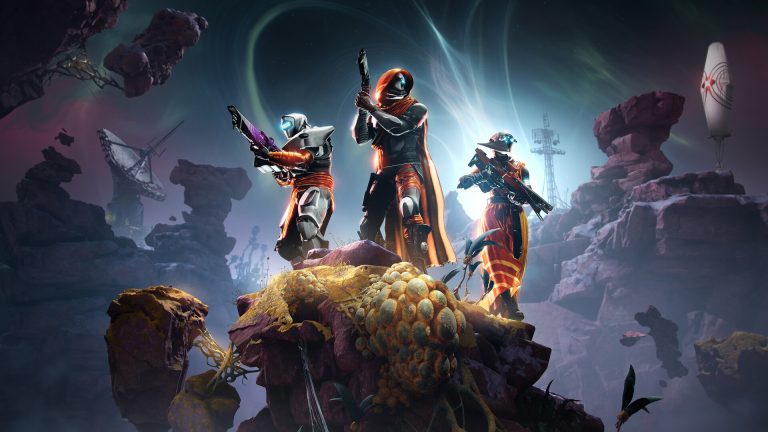
As always, let’s open with the positives. It’s easy to see why the live-service space was so attractive to publishers and developers. For starters, it offered a way to sustain revenue after a game’s initial launch — extending shelf life and reducing dependence on one-time sales. It was also a method of maintaining player engagement, allowing developers to keep audiences invested in an experience in ways that were previously impossible once the credits rolled.
Battle passes, cosmetics, seasonal content — these were all ways to keep a game feeling alive, almost as if it were growing alongside the characters we played. A live-service approach could turn a game into a platform, building a dedicated community around it that could withstand the test of time. In an industry as competitive as modern gaming, the concept was certainly valid, and there’s no disputing that.
But what went wrong? How has modern gaming pivoted back to crafting single-player experiences that could be seen as a “one and done” deal?
The Gap Between Theory and Reality
We’d argue that while the live-service model was a brilliant idea for games that could genuinely support it, too many eager publishers attempted to implement it in games that simply could not. There was a gap between what could work and the reality of how audiences would respond — often perceiving these titles as inferior due to efforts to stretch them into something they were never meant to be.
The problem arose when publishers began to believe that every game could be a great addition to the live-service genre. A mistake that has now brought things full circle. Concord is probably the best example — we’re all familiar with how Sony’s expensive premium-looking shooter crashed and burned before it even had the chance to show what it could do. The damage extended beyond its scope, leading Sony to cancel two other projects that might have succeeded had the live-service push been less aggressive.
But that’s speculation. What remains is the fact that live-service hasn’t collapsed because players hate multiplayer titles. We’ve got plenty of examples of successful ones. But a market like that has space for only a handful of games that players revisit regularly enough to keep them profitable. The live-service space became a fight for scraps of time that players simply did not have enough of.
Instead, the gaming world has pivoted back to a safer, arguably more engaging approach.
Going Back to the Basics
You don’t have to look far to see the truth in that argument. Sony’s recent State of Play began and ended with single-player experiences that hold a lot of promise and have been generating significant hype. Marvel’s Wolverine and Laufey are evidence of a deliberate showcase language — one that cements PlayStation’s identity as a home for cinematic, single-player titles. That’s always been evident with Marvel’s Spider-Man, Ghost of Tsushima, The Last of Us, the Horizon games, and Uncharted.
PlayStation’s live-service push through studios like Bungie, Firewalk, and Haven signaled a shift in priorities that didn’t end well. It wasn’t that PlayStation couldn’t be a strong live-service platform if it found the right title — but it has since realized that it needs to remember what kept people buying its consoles in the first place. Live-service can no longer define the brand.
Over at Xbox, things are similar, if a tad more intriguing. The brand’s recent strategy has been confusing, with some games aiming to be present across platforms even as others remain exclusive. Game Pass, Xbox on PC and handhelds, and an entire ecosystem built around accessibility have muddled the messaging.
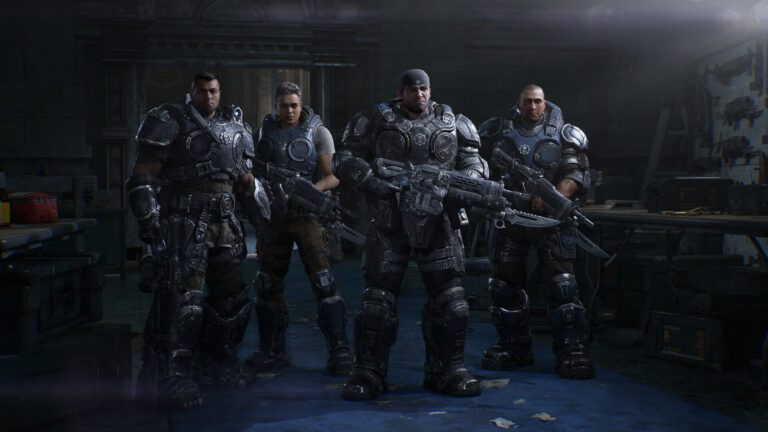
However, the recent Xbox Games Showcase threw a spanner in the works. Both Gears of War: E-Day and Clockwork Revolution are exclusive to the platform — and not timed ones at that. It’s proof that while a live-service game can, and perhaps should, exist everywhere thanks to its need for scale, single-player experiences are still capable of defining a platform and communicating its value to its intended audiences.
A Safer Way Forward
It’s not as if single-player games come without risks. They’re still subject to critical and commercial scrutiny in a world that’s becoming increasingly discerning, especially as games grow more expensive. But those are risks that are not just clearer — they’re ones that developers and publishers have been dealing with since modern gaming’s early days.
A single-player title can win over its target audience with a strong trailer or by being part of a known IP. A good review score can translate into improved sales, while a clear launch window lets hype build naturally. The promise of a complete story is valuable, as are the benefits of a finite marketing campaign. Even a premium price can increase the perceived value of what a game brings to the table.
Compare that to what a live-service game needs to do to stay relevant, and it’s easy to see why gaming’s biggest names are returning to single-player releases. While a single-player title needs to convince players to pick up a copy and enjoy it, a live-service title needs them to do that and keep coming back to turn a profit. The former is like a restaurant that needs you to visit a few times; the latter is a place that needs you to move in and consistently engage with what it’s offering.
We believe that distinction is best demonstrated by the wave of remakes and remasters we’ve seen in recent years. Risk reduction is a major factor — these titles take players to familiar places with familiar faces, offering new ways to enjoy games that were already among their favorites. The safest bets in 2026 aren’t merely single-player titles — they’re ones that already garnered trust back in the day and continue to do so today.
The same could be said for the horror titles we’ve been seeing recently. Games like Onimusha: Way of the Sword, Silent Hill f, and Resident Evil Requiem don’t need you to spend 500 hours with them. They need you to enjoy their atmospheres, their tension, their pacing — and all the memorable moments they throw at you. They are a natural counterpoint to live-service titles, proving that less content can be just as impactful as an abundance of it.
Nearly Gone, But Not Forgotten
There’s still a lot to gain from having a successful live-service title. For the ones that manage to win, the benefits are enormous. Look at Fortnite, Call of Duty, GTA Online, Minecraft, Roblox, Genshin Impact — the list goes on. The genre can and will continue to generate massive revenue while keeping players invested in its loops.
But the notion that every publisher has the chops to cook up titles that can achieve such a feat is certainly a thing of the past — and rightly so. It’s a matter of playing to one’s strengths and aligning with the potential of a concept that’s being shaped into a full-fledged experience. The idea of live-service hasn’t died out at the top — but it has in the middle, where expensive projects launched to the sound of crickets, while players were already busy with other worlds that held their interest more.
It’s a signal that audiences are tired — not of multiplayer or online games, but of ones that demand their loyalty on a nearly endless basis. There isn’t enough time to hop between titles that require regular engagement. That’s why single-player titles have returned as a refreshing change of pace — polished, focused, and complete experiences that respect your time.
On that note, we’ll wrap this up by saying it’s a welcome return to what has always been a strong component of modern games. But it’s equally important to acknowledge how some games have risen to astronomical success by making players want to come back to what they’re offering.
Either way, the important part is to have fun. As we always say.
Related posts:
 Death Stranding 2’s Sales Tell a Very Different Story Than Sony Expected – And That’s Okay
 Grand Theft Auto 6 Trailer 3 Could Drop Soon – Here’s Why the Signs Are Pointing That Way
 GTA 6 Is Turning Basic Game Ownership Into a Big Deal – And It’s About Time We Talked About It
 PlayStation – and the Gaming Industry – Just Doesn’t Learn When It Comes to Live-Service
 The Next Ghost Recon Has Become One Big Question Mark – And That’s Being Generous
 Control Resonant Might Finally Scratch That inFAMOUS Itch
 007 First Light Is Making the Case for Shorter, Sharper AAA Campaigns – And It’s About Time
 Xbox’s Biggest Problems May Still Be Ahead – A Reality Check After the Hype