
PlayStation fans are a discerning bunch, and not all of them wait with bated breath for the next shooter, Soulslike, or cinematic action-adventure title. Sometimes, all it takes is a well-realized power fantasy to come along and shake things up — to get players excited about the platform’s ability to deliver exactly what they want. They crave a specific feeling from their games, and inFAMOUS is a title that immediately comes to mind as one whose vibe manages to stand out even after all these years.
It’s easy to see why. Delsin Rowe harnessed impossible powers in a game that let you soar across Seattle, lay waste to anyone who opposed you, hijack abilities, turn the world itself into potent weapons, and shape the course of the city through your choices. Control Resonant may not bring all of that to the table — and it certainly isn’t trying to replace inFAMOUS — but it might just be the next best thing you can play on PS5 if you’re looking for a power trip.
We’ve got a few reasons why we think that’s the case, and as always, we’re happy to share them with you. Let’s get right to it.
The Fantasy of Unfettered Power
Let’s begin by taking a closer look at what inFAMOUS was all about before we pit it against Resonant and draw out the similarities. Sucker Punch’s take on unlimited power is best viewed through the lens of Second Son, which gave us superhuman abilities, slick traversal, player choice, and brilliant combat — all set loose in a version of Seattle overrun by the D.U.P.
Delsin had the unique ability to absorb the powers of other Conduits, granting him literal superpowers that let him take on enemies with style and substance. Traversal across Seattle added a compelling layer of verticality to the game’s world, and everything was designed around creative player expression. The presentation made his powers look and feel spectacular.
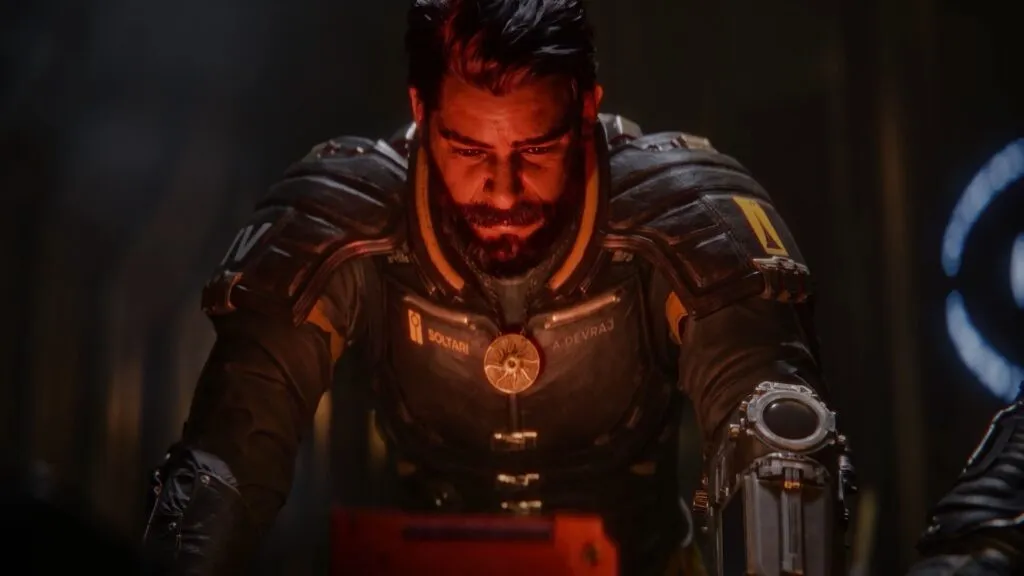
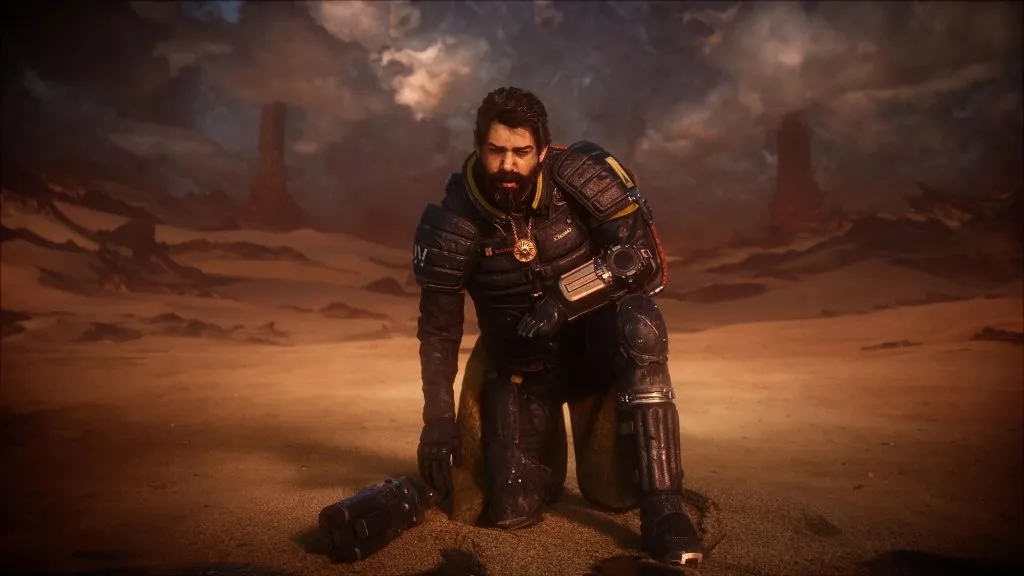
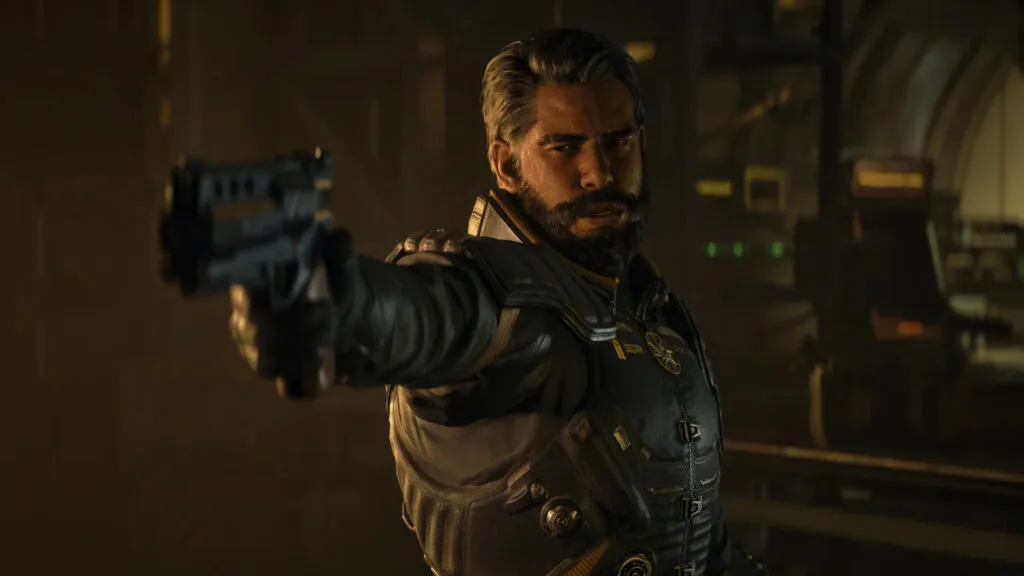
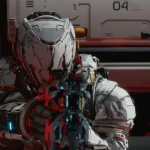
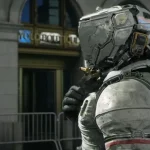
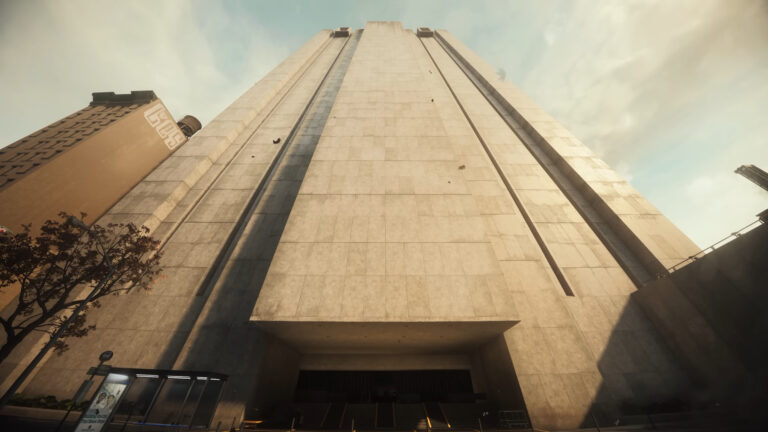
All of this is going to sound familiar if you’ve been keeping up with Resonant‘s promotional material — except that this time, Manhattan serves as the stage for the action. The Hush has twisted it into a warped version of itself, while Dylan wields a transforming Aberrant weapon and elemental powers that devastate foes in a combat system that’s a radical departure from the first Control game. It isn’t a direct copy, but the similarities are undeniable.
The biggest difference is tonal. While inFAMOUS had a comic-book rebellion vibe, Resonant leans into the supernatural — cosmic horror, bureaucracy, and psychological weirdness stemming from the collapse of reality in Manhattan. The FBC is struggling to contain the threat, and the city itself has become a playground for chaos. Its predecessor was about being confined in a lonely house; this one is about letting loose in a city that seems built for it.
Between inFAMOUS and Resonant, we have two very different takes on superpowers. The former makes them feel almost fashionable; the latter makes them feel frightening and unstable. And we wonder if the world is going to be able to contain them as the story unfolds and reality continues to collapse in on itself.
Well, that’s the similarities dealt with. It’s time to dive deeper into how Resonant could set itself apart — while still being a respectful nod to inFAMOUS.
An Ever-Shifting Stage for Spectacular Fights
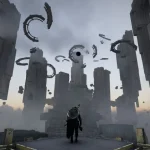
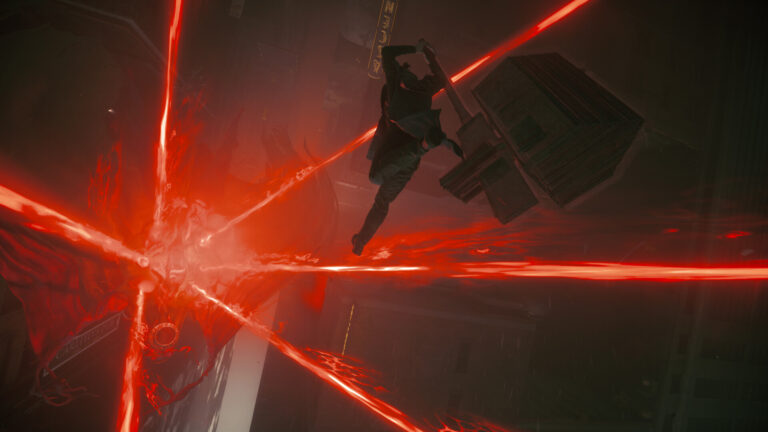
Manhattan has often been presented as a major draw in Resonant, with Remedy pointing to its perception-bending locations, gravity anomalies, and shifting landscapes — the entire city transformed by an almost god-like force. Combined with the rest of what’s on offer, it becomes more than just Control taken outside the bounds of the FBC’s HQ. It’s a whole new experience that pushes the gameplay loop in a fresh direction. On its own, that change could make Resonant feel like a homage to the superhero city sandbox that inFAMOUS was, albeit packaged with an exciting new premise.
Of course, the combat system is where that direction becomes truly exhilarating. Dylan’s Aberrant weapon takes many shapes, and the entire system is driven by controlled aggression that feeds into unbridled power. Your combat resources recharge the more scraps you get into; your abilities can stun enemies to keep them out of the fight while you deal with their buddies; and you even get a damage buff when executing one or more of them.
Pit that against Control, which was more about telekinetic chaos, and Resonant seems geared toward sustaining your forward momentum with a more visceral approach to combat. You’re always on the move, flitting between enemies and keeping them on the back foot to retain control of the battlefield. It looks and feels like a power fantasy — a facet of the experience that Second Son understood very well.
However, the action-RPG layer that Resonant brings to the table could be seen as a departure from Second Son, where new powers came to you as part of the story and from exploration. You were simply unlocking them before learning how to use them. Resonant, by contrast, offers weapon forms, supernatural abilities, and talents — all of which can’t be obtained in a single playthrough.
It’s a more build-focused approach, transforming Dylan into a para-natural weapon that you then wield as you see fit. But despite that difference in progression philosophy, Resonant does feel like it pays homage to Second Son by making its protagonist the center of the game’s power — feeding everything into him, and allowing players to mix and match abilities to put their own stamp on how they take down threats.
The Illusion of Power — and the Reality of Difference
With all that’s been said, you might think we’re claiming Resonant is the new inFAMOUS — but that’s hardly the case. It isn’t integrating a morality system into its gameplay loop, for starters, which was one of the things that made Second Son stand out and gave players a great reason to dive into a new playthrough.
Its premise doesn’t center on rebellion as a core theme, which was a major part of Delsin’s character arc as he tried to save his tribe and the Conduits from an antagonist hellbent on destroying them. Dylan’s on a different, more personal journey in Resonant, and although his story might seem like a similar kind of superhero urban sandbox, it’s far from that.
Remedy’s take on this niche isn’t about sticking it to the man in the way Delsin found himself forced to do, thanks to the circumstances set up by the first two inFAMOUS games. Things are different in Remedy’s upcoming title — in a way that makes sense for the kind of experience it’s trying to sell.
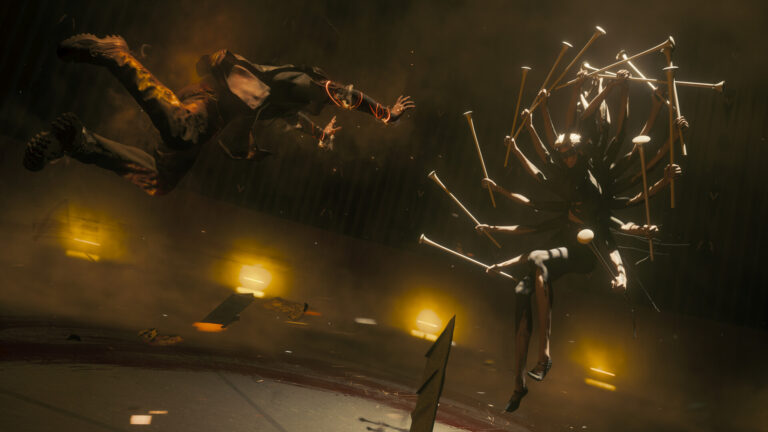
Resonant is weirder than that. It brings handcrafted zones with shifting factional alliances, secrets to uncover, environmental challenges that lean into the paranormal elements the Control franchise is known for, World Quests, and a combat system that might use the same superhero concept but expresses it in an entirely different way. The goal isn’t just to blaze through the main story or “clear” the map — it’s to let all of that happen organically as you explore its take on Manhattan.
It’s a kind of game design that began to take root around the time Second Son came along, but has since evolved with current-gen hardware that makes presenting such an experience more seamless than the PS4 could manage. It’s about facing a warped version of Manhattan on your own terms, without the game dictating the kind of abilities you’re given — a marked departure from Second Son, where many of Delsin’s core abilities came via the story.
However, the two titles do coincide by filling a very specific gap: giving players a game where they get to be stylish superheroes in a modern city. Control Resonant might not fill that gap in the same way as any of the inFAMOUS games, but it does take its own approach to those specific needs.
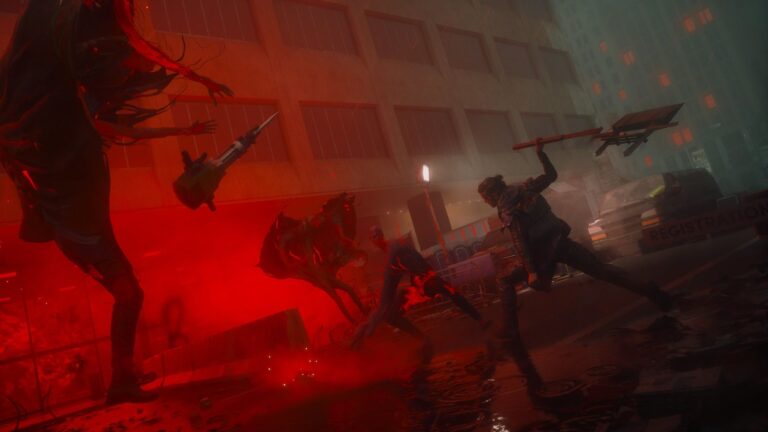
It’s a more violent, bizarre, Remedy-flavored take on a beloved formula that’s been seriously underutilized in the years since Second Son graced our screens. It’s not the superpowered fantasy we may have wanted from another addition to the inFAMOUS lineup — but perhaps it’s the one we need right now after such a long gap from Sucker Punch’s famous (pun intended) franchise.
And for that, we’re just delighted.
Related posts:
 College Football 27 Might Finally Make Dynasty Mode the Star It Was Always Meant to Be
 Grand Theft Auto 6 Trailer 3 Could Drop Soon – Here’s Why the Signs Are Pointing That Way
 GTA 6 Is Turning Basic Game Ownership Into a Big Deal – And It’s About Time We Talked About It
 Grand Theft Auto 6 Is the Latest Blow to Physical Games and the Resell Market – And It’s a Sign of the Times
 After Years of Live-Service Chasing, Single-Player Games Are Winning Again
 Death Stranding 2’s Sales Tell a Very Different Story Than Sony Expected – And That’s Okay
 The Next Ghost Recon Has Become One Big Question Mark – And That’s Being Generous
 007 First Light Is Making the Case for Shorter, Sharper AAA Campaigns – And It’s About Time