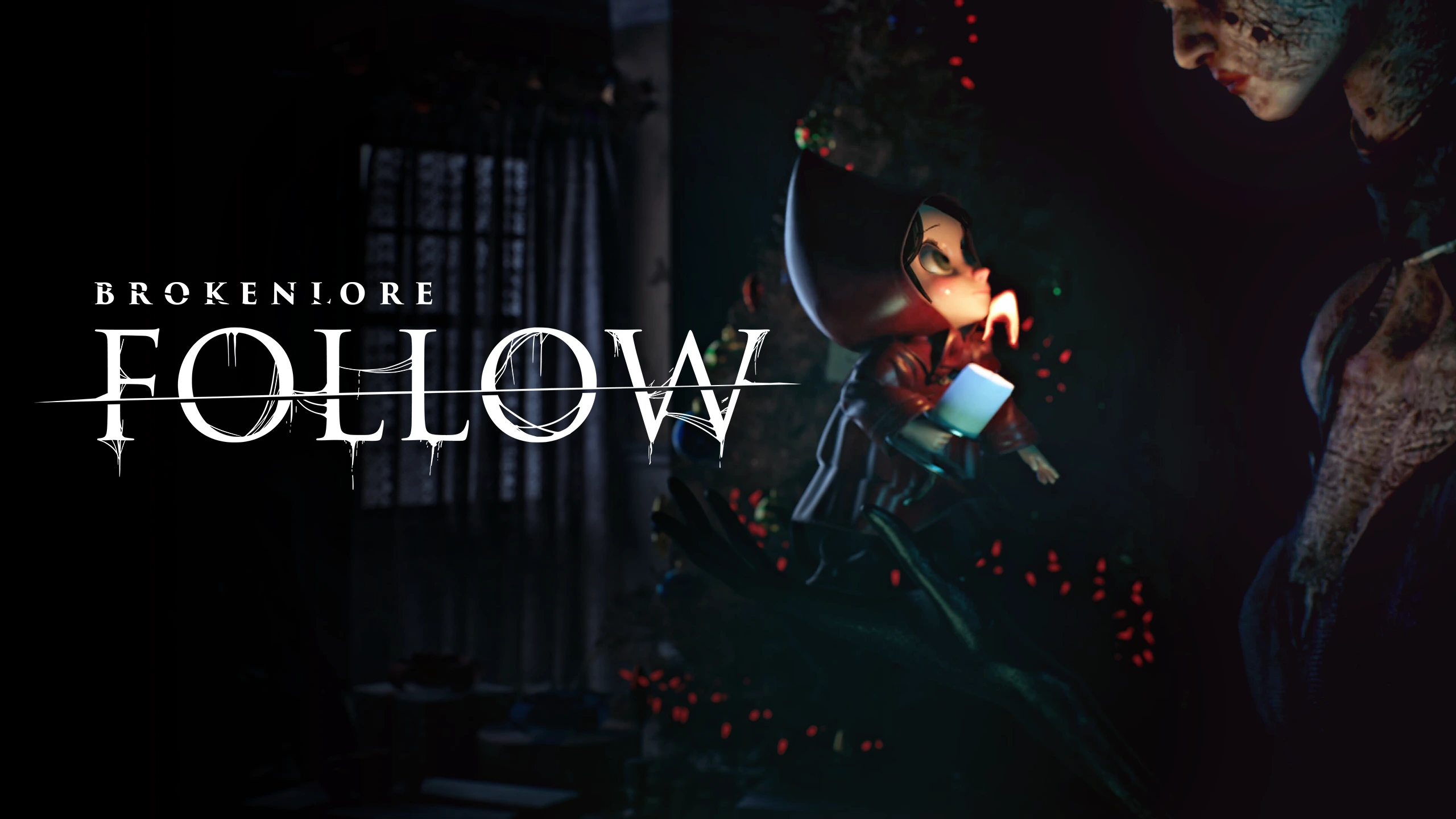

I really liked BrokenLore: UNFOLLOW when I reviewed it last year, despite a few complaints. That particular brand of psychedelic horror worked well, but it was the themes it tackled that brought on its scariest and most horrifying aspects. Well, we’re back for another trip through protagonist Anne’s fractured psyche in BrokenLore: FOLLOW—a sequel that’s not necessarily bigger, but certainly better.
A More Confident Protagonist
Like its predecessor, FOLLOW wastes no time reintroducing us to Anne, who’s now a young adult with a little more maturity than when we first met her. She’s come to terms with the trauma from her school bullies and is a tad more confident and assertive as a result. It’s a welcome change that establishes continuity with the first game while taking the story in a sinister new direction.
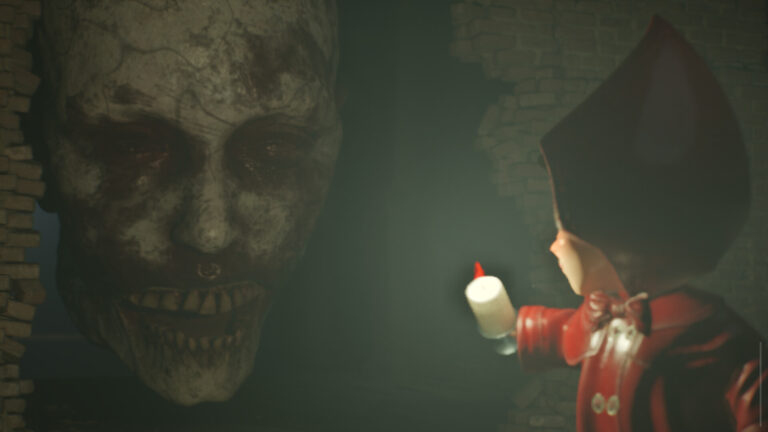
You see, Anne may have buried the self-esteem issues from her high school bullies, or perhaps even healed through it. But the first game carried many hints about how her life at home was no walk in the park either. FOLLOW dives right into that side of her personality with very interesting results. This time around, it’s Anne’s mother who is the big bad—and I can tell you she cuts quite the scary figure thanks to some truly chilling design choices from Serafini Productions.
She lurks in the darkest corners of Anne’s mind, waiting to be let out the moment you uncover an important memory or piece of information pertaining to how she raised her daughter. The manner in which she’s characterized is sure to resonate with anyone who’s faced similar situations in their own lives. It’s easy to see how her actions have left lasting scars on Anne’s personality that she might never fully heal from.
A Catalyst for Trauma
Anne’s mother is the catalyst for the entire experience, with each level coming with a distinct theme and colour to underline how Anne’s mind has interpreted her feelings toward her. She constantly declares that she’s tired of the ordeal she faces—which is presumably all in her head—but escape is never really presented as an option, even as you go further into the story. Instead, you only go from one memory to the next, each with its own puzzles to solve in order to proceed.
Of course, the giant monster from the first game—which I’m now convinced represents Anne’s own lack of self-esteem—makes a comeback, often popping up when you least expect it to give you enough of a fright to justify taking a break. The jump scares and atmospheric horror from the first game also return, and like Anne, the game itself feels more confident than Serafini’s first outing.
Little Annie: A Terrifying Delight
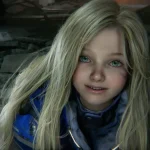
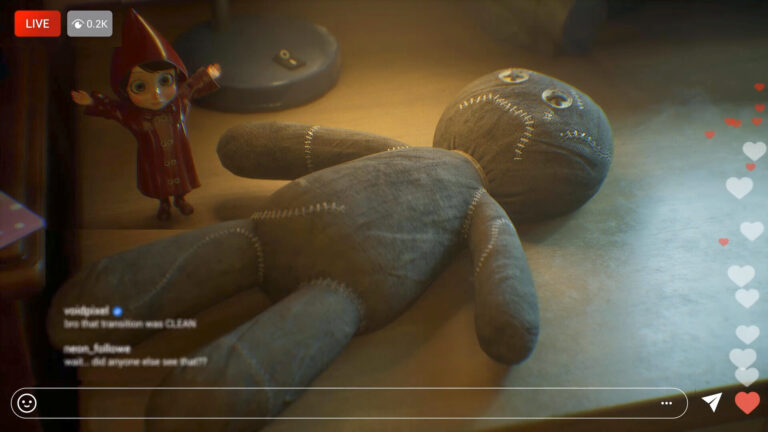
A personal highlight was Little Annie—a truly unsettling doll that represents Anne’s youthful innocence and vigour. She looks so darn creepy that I was reminded why I often avoid horror stories involving dolls in the first place. Her adorable voice and the childish sense of wonder she brings to the exposition are a superb contrast that makes her a very welcome addition. She’s also the biggest indicator that something important is nearby, making her quite helpful when navigating the convoluted puzzles in each level.
Puzzle Design: A Mixed Bag
With a story and design so compelling, it’s a pity that the levels themselves are nothing to write home about—despite how well they’re presented visually. Most of my time with the game involved navigating each one, uncovering important information or items that would then unlock new paths and new puzzles. I’m all for a game jealously guarding its secrets and forcing me to think outside the box, but I do believe FOLLOW could have presented a stronger path to progression.
You’re given little to no information about what you need to do to get past a locked door, and the little nuggets of knowledge you get feel disconnected from the actual solution in many instances. It’s a very strong effort—no arguments there—but I couldn’t help thinking I was spending way too long running around the same level until I managed to spot an interactable object that would open a new path.
Movement and Chase Sequences
Another thing I liked was that Anne is far more agile than in her previous outing, which makes getting around a lot easier. I miss the chase sequences the first game had, despite how clunky the controls could feel. Those are now relegated to side-scrolling sequences that bookmark the end of a chapter, with little Anne desperately trying to avoid the representation of her older version’s insecurities. You can skip these sequences entirely if you find them tedious—a welcome option, given how obstacles are a constant presence and navigating them with a very short window for error can get annoying.
Audiovisual Excellence
The audio design continues to shine, just as it did in the first game. The soundtrack balances silence and sinister build-up so well, you’re bound to feel the tension when navigating an area designed to keep you on edge. There are helpful cues to tell you when you’ve unlocked something new, and the voice acting does a very good job of bringing subtle, unspoken emotions to the forefront. That’s very important in a game that tackles the nuances of a parent-child relationship that hasn’t gone the way either party intended.
On the performance front, I found no issues on my base PS5 aside from minor frame drops that don’t really break the immersion. This one’s a polished effort from the developers, and it definitely outshines the first game in that area. The visuals are also noteworthy—they integrate each level’s themes and use light so much better than what was on offer in UNFOLLOW. They’re probably the best example I can find to demonstrate how the new game is a more confident, nuanced take on the issues it presents than the first one, which was already quite good.
Verdict: A Slow-Burn Triumph
So, with all that’s been said, would I recommend FOLLOW to you? If psychedelic horror is your jam, this one won’t disappoint. If you like games that give you chills and thrills in equal measure, you’ll probably like it—though you might find the lack of combat or real danger in any form a tad boring. However, if you’re like me and enjoy stories that are nuanced and geared toward a slow burn, this one will be right up your alley.
FOLLOW is a solid game that continues the franchise’s tradition of insightful examinations of trauma through the eyes of a victim. It takes creative liberties that might seem like flights of fancy on the surface but are very insightful takes on how the human mind processes negative emotions—and the dangers of leaving such thoughts to fester without seeking the help one needs to repair the damage. There’s a bit of Anne in all of us, and BrokenLore: FOLLOW does a great job as a game that makes you look inward and wonder about what the darkest corners of your own mind look like.
And that’s its biggest achievement.
Related posts:
 EA Sports College Football 27 Review – The Other Football, But Not Quite a Game-Changer
 The Alters: Last Variable Review – The Science of Self-Discovery
 Assassin’s Creed Black Flag Resynced Review – A Stellar Remake That Rules the High Seas
 NBA: The Run Review – Nothing But Net, With a Few Bricks Along the Way
 Star Fox Review – A Stunning, Faithful Revival That Soars Above Expectations
 The Mound: Omen of Cthulhu Review – Welcome to the Jungle, Where Nothing Quite Works as Intended
 Riven Remake PS5 Review – To the Rescue, but Not Without Its Wrinkles
 EA Sports UFC 6 Review – Burning Bright in Every Fight, But Not Quite a Knockout