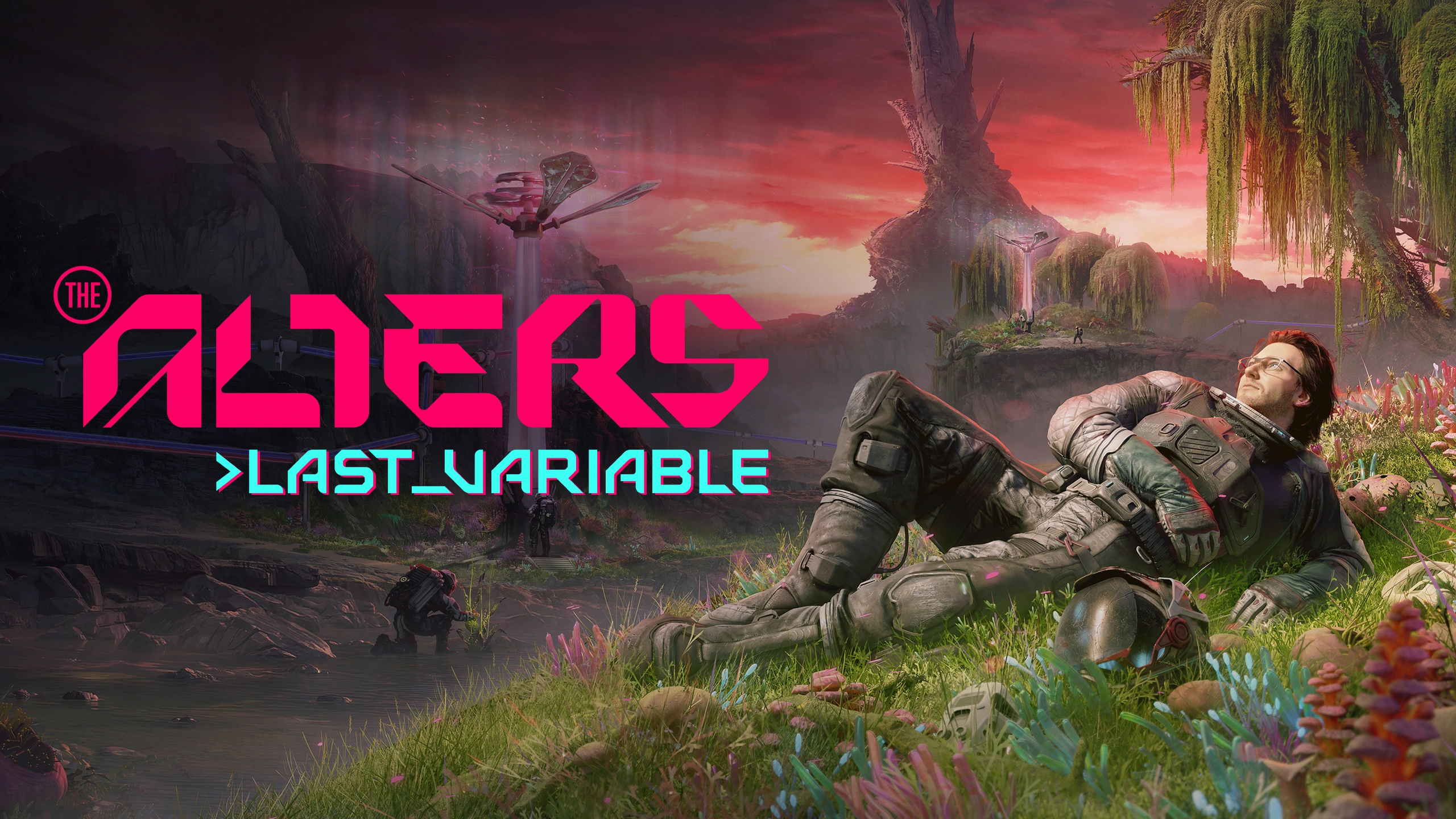

Self-discovery is often associated with defining one’s core values and purpose. But what about actually meeting yourself—let alone conversing with them, working side by side, and occasionally annoying them because of the “wrong” dialogue choice? Such is the dilemma that The Alters, 11 bit studios’ sci-fi survival game, posed last year. Jan Dolski ended up stranded on a hostile planet and created Alters of himself from the mysterious substance, Rapidium. Not clones in the traditional sense, but versions with completely different life paths—leading to different professions, more manpower to maintain the giant moving base, and a fighting chance against the deadly sun.
It was a whole thing.
Depending on your choices, the Scientist Alter could end up staying on the planet. Don’t worry if you didn’t go that route—Last Variable is a standalone story that picks up from that particular ending. So what ever happened to that self-absorbed, socially awkward version of Jan? Well, death. The answer is death.
Not the permanent kind, though. In his final moments, he created another Jan Scientist to continue his mission of researching the mysterious Oasis. Nothing is known about the site, except that it can survive the devastating sunrise that destroys everything else on the planet. With the Research Lab requiring repairs and no materials on hand, Last Variable continues a familiar cycle: venturing out into the unknown, collecting and mining resources while avoiding Anomalies, and creating some Alters to lend a hand where needed.
Familiar Loop, Sharp Writing
It’s the base game through and through. While it probably won’t win over any new fans, the sharp writing and dynamics with each Alter keep you hooked—even as you’re running from pillar to post, desperately trying to complete tasks before exhaustion sets in.
The setup is more constrained this time. The Scientist is holed up in an underground bunker rather than a moving base. Your “original” didn’t leave much behind, save for Janbot—an AI/LLM who occasionally slips into an “absurdist” phase when answering questions—and the Whiteboard, where all your scientific discoveries and hypotheses go. It’s a physical manifestation of your progress en route to learning more about the Oasis.
Alters with Attitude
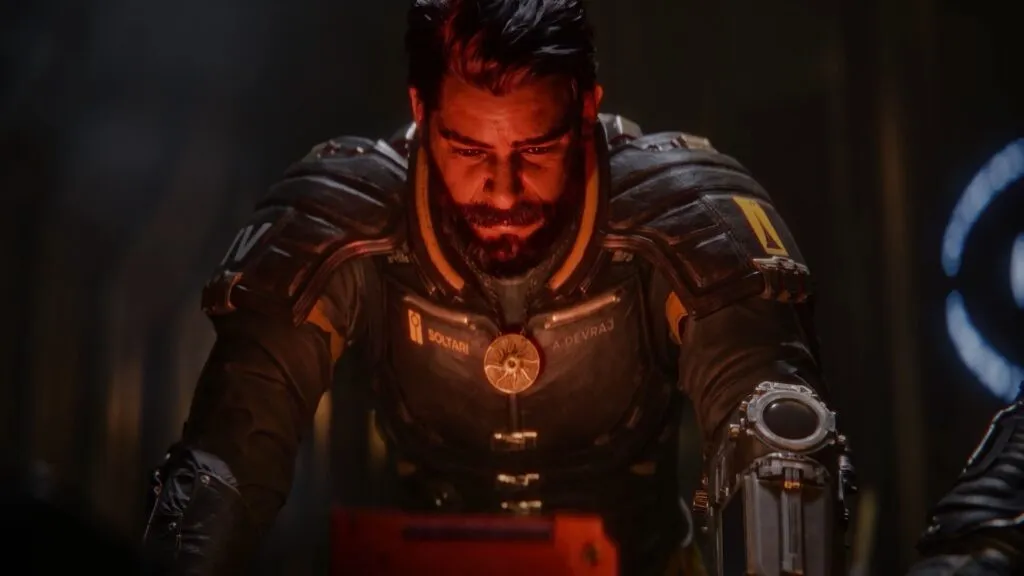
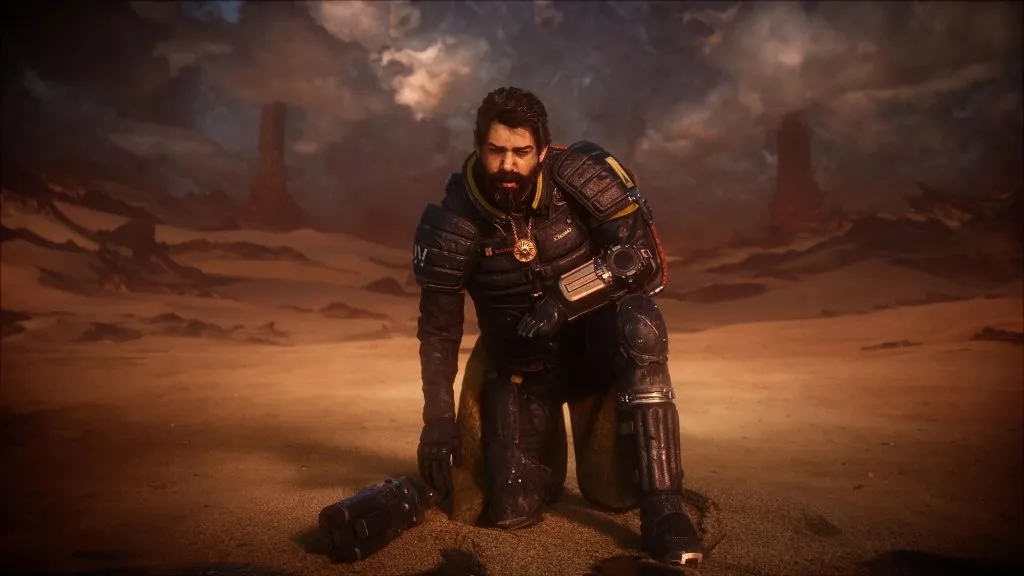
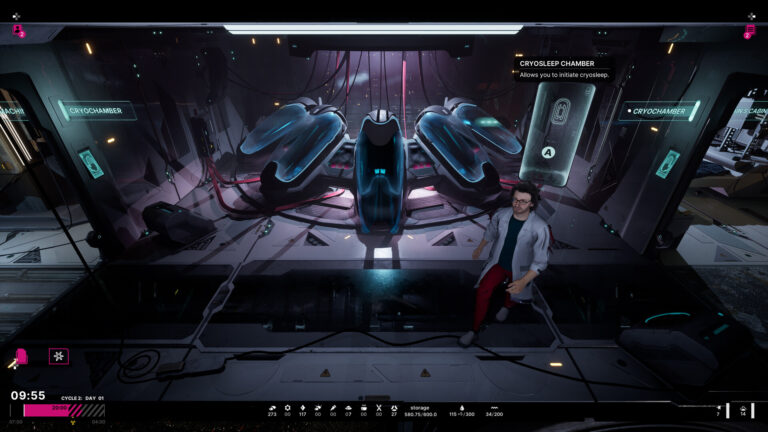
The other big difference is the Alters who join your cause, some more abrasively than others. Since Jan Scientist serves as the base, each variant comes from a different branch of science. Of course, the same rules apply: their life paths and adjoining personalities are completely different. So when I welcomed the Physicist for the first time, I didn’t expect an arrogant semi-celebrity who was none too pleased about his assignment. Same goes for the Geologist—an energetic individual (even when under medication) who wondered if we had Rapidium-fueled buggies or jet packs. Suffice it to say that Alex Jordan, who voices all versions of Jan, continues to do some heavy lifting, instilling fantastic personality into each Alter.
But it’s more than just voice work. The writing ensures you actually care—or loathe—them depending on the situation. I felt bad seeing the Geologist get frustrated when I said his calling was mining, even though those were the benefits he provided. On the other hand, watching the Physicist grow more frustrated because I didn’t “get” his vision was occasionally a treat. I didn’t want him to blow up and cause issues, but maybe I did—just to see what would happen. Self-discovery and all that jazz.
The spectrum of specializations may be more focused than the base game, but they still feel like distinct individuals rather than worker drones. That is, whenever you get the chance to talk and hang out with them. When you’re back out on the planet, they’re busy with their assignments—and will even ask to swap to another pending task with a single key press. Building the right facilities to enhance their mood is key, as much as throwing a feast or playing games (and ensuring the radiation shielding holds up).
Resource Management, Refined
At its core, The Alters is a game about gathering and resource management, and Last Variable isn’t too different. Every time you venture onto the surface, there’s a limited window to gather materials and explore. Some routes are blocked off unless you have a specific tool, but they can offer useful shortcuts. You’ve been here before, right down to the Anomalies that require the Illuminator to disrupt—including the annoying Time Dilation.
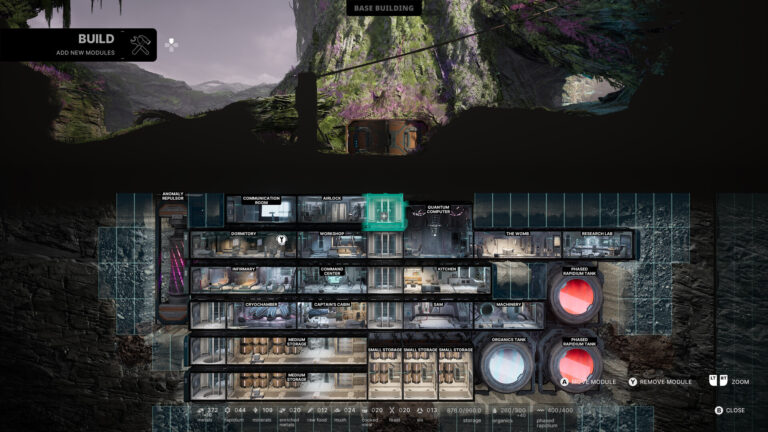
There’s nothing wrong with this adventure loop, seamlessly intertwined as it is with researching new technologies for faster mining or converting ALX to other materials—besides the essential theory needed to advance the plot. Trial and error governs several “expeditions,” whether it’s not having enough suit batteries for the grappling gun or filling up storage too quickly. The base-building aspect feels more awkward than the original since you start with a pre-made structure. That makes things easier and helps pacing, but then comes the unenviable task of shifting things around to make room for more storage and modules.
Cryo Sleep: A Narrative Gamble
The other big feature of Last Variable is the ability to enter cryo sleep, essentially preserving your lifespan across solar cycles. Your Alters don’t get the same benefits, remaining awake to continue their tasks. From a storytelling standpoint, it’s fascinating—they could end up changing their demeanor and entire outlook on the mission. There’s an element of randomness, since you never know if a reliable Alter will suddenly decide to abandon the mission in favor of slacking off.
As gimmicky as this may seem, it’s interesting to see how these different Jans can age, evolving their characters and bringing forth new kinds of conversations and conflicts. The impact on the core gameplay loop is enough to at least see the adventure through to the very end.
Presentation: Solid, With Quirks
From a presentation standpoint, aside from the lush greenery of the Oasis, Last Variable doesn’t do too much differently. Each Alter’s design is distinct and animates well—including facial expressions—though there are occasional bugs. In one conversation, Jan Physicist faced the wrong way and continued explaining how the brain absorbs information and how close we are to science, even if we don’t know it (helpfully illustrated by what I assume was a diagram). It was riveting—I just wish he’d been facing the correct way.
Performance-wise, the expansion is about what you’d expect. Particle-heavy situations while the Illuminator is out cause some frame drops, but otherwise, exploring and interacting with the Alters is smooth enough.
Verdict
The Alters: Last Variable is a sizable campaign experience and one that’s more than recommended for fans of the base game—though it depends on which parts were their favorites. While the survival elements and resource gathering don’t diverge much, seeing the many different kinds of Jan Scientists—with varying degrees of narcissism and excitement—interact and try to get along makes it well worth the price of admission.
Related posts:
 Granblue Fantasy: Relink – Endless Ragnarok Review – Here We Go Again, and It’s Better Than Ever
 Echoes of Aincrad Review – An SAO opportunity not taken
 Assassin’s Creed Black Flag Resynced Review – A Stellar Remake That Rules the High Seas
 Final Fantasy 7 Rebirth Xbox Series X Review – Expected Excellence, Delivered in Full
 The Mound: Omen of Cthulhu Review – Welcome to the Jungle, Where Nothing Quite Works as Intended
 Myst Remake PS5 Review – Light Reading, Heavy Thinking
 Final Fantasy 7 Rebirth Nintendo Switch 2 Review – The (Portable) Promise Fulfilled
 EA Sports College Football 27 Review – The Other Football, But Not Quite a Game-Changer