
Final Fantasy 7 Rebirth surpassed expectations in more ways than one when it launched a couple of years ago. Not only did it follow up on an excellent start to the FF7 Remake trilogy—its spectacular 2020 predecessor—it also did a stellar job reimagining its legendary source material, all while charting its own unique path in consistently subversive and delightful ways. A wonderful blend of addictive, mechanically deep gameplay and bombastic, entertaining storytelling, Final Fantasy 7 Rebirth was a true masterpiece. Now, following in the footsteps of Final Fantasy 7 Remake, Rebirth arrives on the Nintendo Switch 2—and the results are impressive, even if they come with some expected technical cutbacks.
A Challenge Worth Taking
Getting a game as massive, ambitious, and demanding as Final Fantasy 7 Rebirth to work well on the hardware of the Nintendo Switch 2—a console with decidedly more constrained specs than the PS5—was always going to be a challenge. So it’s best to head into Rebirth‘s Switch 2 version with lower technical and graphical expectations. What’s heartening, however, is that even with those compromises, the game doesn’t lose any of its charm and mastery.
What exactly are those compromises? For the most part, they are exactly what you would expect from a lower-spec release of a technically demanding game. The gap between Rebirth‘s Switch 2 and base console versions on this front is—unsurprisingly, given the generation gap—more pronounced than it was for Final Fantasy 7 Remake‘s Switch 2 version. You see the biggest and most blatant hits with things like texture pop-in, downgrades in level of detail, foliage density, shadows, and draw distances (especially draw distances, in fact).
Technical Shortcomings, Hard to Ignore
More than a few times—including in the very early hours of the game, or most times you’re out in an open world section—I’ve seen textures and assets abruptly loading in right before my eyes. There have also been a few instances of frame rate drops during both cutscenes and gameplay, all of which can—at least momentarily—pull you out of the experience. On top of that, it’s also a shame that, just like Final Fantasy 7 Remake‘s Switch 2 release, Rebirth doesn’t offer a 60 FPS option on Nintendo’s platform. While the compromise is understandable given the Switch 2’s hardware constraints, it still feels like a notable omission, particularly given the fast-paced and action-heavy nature of Rebirth‘s combat and general gameplay.
Personally, I tend to be the sort of player who can forgive a game’s technical deficiencies, especially if it’s pulling its weight in the gameplay and design departments—which is most definitely true for Rebirth. But those deficiencies are admittedly hard not to spot here. While they don’t take away from Rebirth‘s inherent gameplay and narrative strengths, I certainly hope the developer will address those issues with post-launch patches in the near future.
Still a Visual Treat
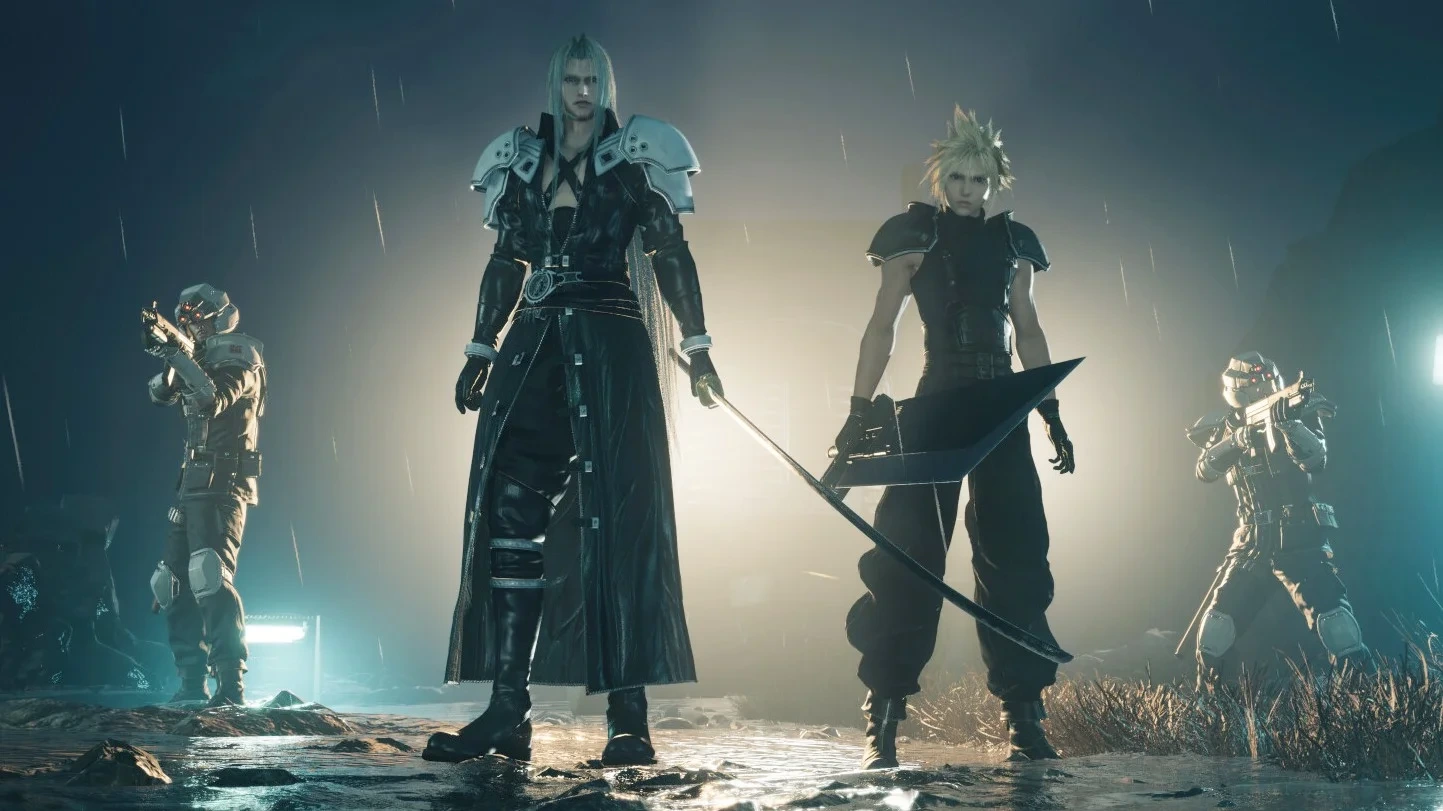
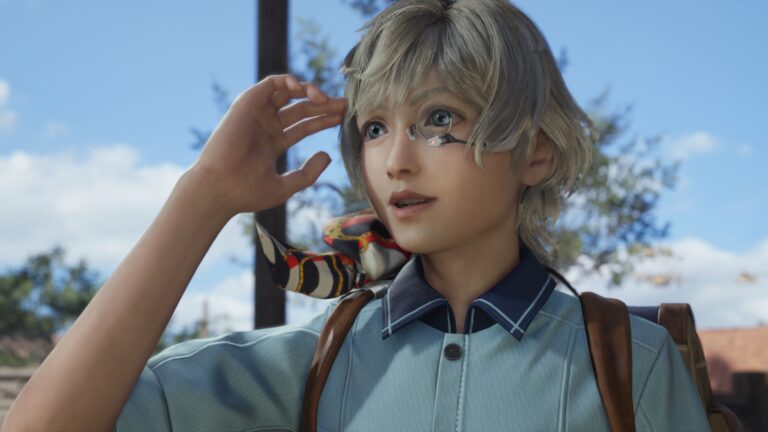
As much as Final Fantasy 7 Rebirth‘s Switch 2 version comes with noticeable downgrades from its original release, there’s no denying that, by and large, the game still looks really good. Environments look lush and enticingly massive and explorable. Character models and animations boast impressive attention to detail and personality. Nearly every new map, town, and city you visit is brimming with its own unique visual hook and aesthetic. A constant sense of discovery, joy, and wonder was among the things that helped Final Fantasy 7 Rebirth stand out when it first launched in 2024, and thankfully, on the Nintendo Switch 2, even with the necessary cuts in the technical department, it doesn’t lose that sense of awe and luster.
The Gameplay Remains Untouched
And of course, when it comes to the act of actually playing the game, this is still every bit the unmissable, spectacularly designed experience that it was when it launched on PS5 a couple of years ago. When I reviewed Final Fantasy 7 Rebirth upon its original release, I described it as the long-overdue and long-awaited realization of the modern open-world Final Fantasy formula that the series had been hinting at since the PS2 generation. Going back to it on the Switch 2, I find myself just as enamoured with the game.
That’s because Rebirth is—and remains—a genuine, unmissable masterpiece. I don’t use any of those words lightly. It touts easily the best combat I have ever experienced in a Final Fantasy title, and arguably the best non-turn-based combat I have seen in any game, period. Rebirth builds on Remake‘s incredible combat in meaningful ways, delivering a blistering experience that—with an ingenious combination of tight mechanics, meaningful improvements, and consistently well-designed and varied enemy encounters and boss fights—ensures it never runs out of ways to keep you on your toes.
Depth in Every System
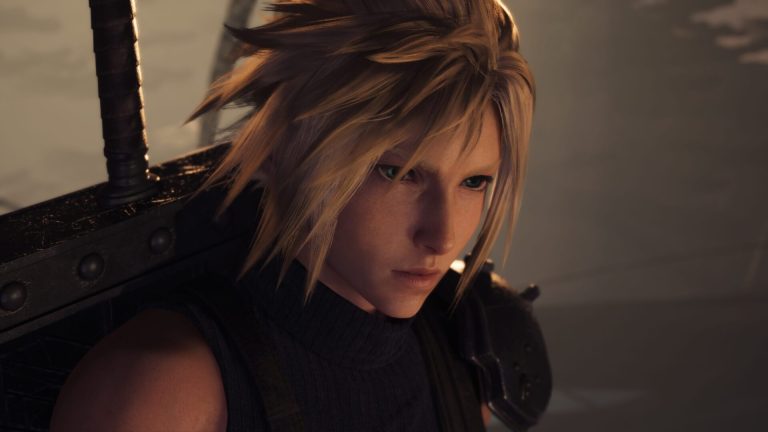
Each character boasts ridiculous mechanical depth and variety, to the extent that each could be the star of their own game. On top of that, the progression and customization mechanics—between the different weapons, Materia builds, stat upgrades, and more—add an even greater level of depth and nuance. Combat and everything surrounding it manage to feel consistently rewarding and addictive even after you’ve clocked multiple dozen hours into the game.
Outside of combat, Rebirth continues to tout an equally impressive level of depth and variety. There are multiple massive open-world maps to explore, each boasting a plethora of things to do, their own unique design gimmicks, traversal mechanics, and visual hooks. There’s a multitude of minigames and optional side activities to track down and explore, including, of course, the fan-favourite card game Queen’s Blood—which you can and very well may sink an inordinate amount of hours into. It’s not often that a game demanding as massive a time investment as Rebirth does can successfully hold the player’s attention without letting monotony set in, but this one manages to do that with surprising confidence.
Storytelling That Divides and Conquers
The game also delivers solid storytelling—one area where mileage will probably vary more than most others. Final Fantasy 7 Rebirth doubles down on its predecessor’s decision to be as much a sequel (or sidequel) to the original FF7 as a remake. Obviously, the decisions it makes in pursuit of that vision will ruffle some feathers, especially given how ambitious—and often bizarre—it can be with its ideas. Personally, I’ve been on board with the developer’s decision to chart a new path for this iconic story for a while now, and in my view, Rebirth does an excellent job of balancing those two conflicting sides. It’s a nonstop rollercoaster with its bombastic storytelling, high-octane set pieces, wonderfully performed characters, and more. From its first minute to its last, it never stops being a compelling experience—even if it isn’t necessarily one that always makes total logical sense.
Verdict
Final Fantasy 7 Rebirth was a breathtaking experience when it came out a couple of years ago, and it still is now that it has released for the Nintendo Switch 2. Yes, it comes with technical cutbacks that are often hard not to notice, and hopefully the developer will iron out these kinks with future updates. But even as it stands right now, Rebirth‘s Switch 2 version is still a great way to experience one of Final Fantasy‘s most spectacular and unforgettable outings of all time.
Related posts:
 The Mound: Omen of Cthulhu Review – Welcome to the Jungle, Where Nothing Quite Works as Intended
 Star Fox Review – A Stunning, Faithful Revival That Soars Above Expectations
 Gothic 1 Remake Review – Flaws and All, a Brutal Return to the Colony
 Granblue Fantasy: Relink – Endless Ragnarok Review – Here We Go Again, and It’s Better Than Ever
 Yoshi and the Mysterious Book Review – Delightful, Dazzling, and Surprisingly Deep
 NBA: The Run Review – Nothing But Net, With a Few Bricks Along the Way
 The Alters: Last Variable Review – The Science of Self-Discovery
 DOOM: The Dark Ages – Revelations Review – Only You Can Rip and Tear This Well