
We’ve been seeing a lot of remakes lately—efforts to bring gaming’s finest classics to a modern audience. When done right, they let you revisit adventures you’ve enjoyed before through a fresh lens, blending new touches with a comforting sense of familiarity.
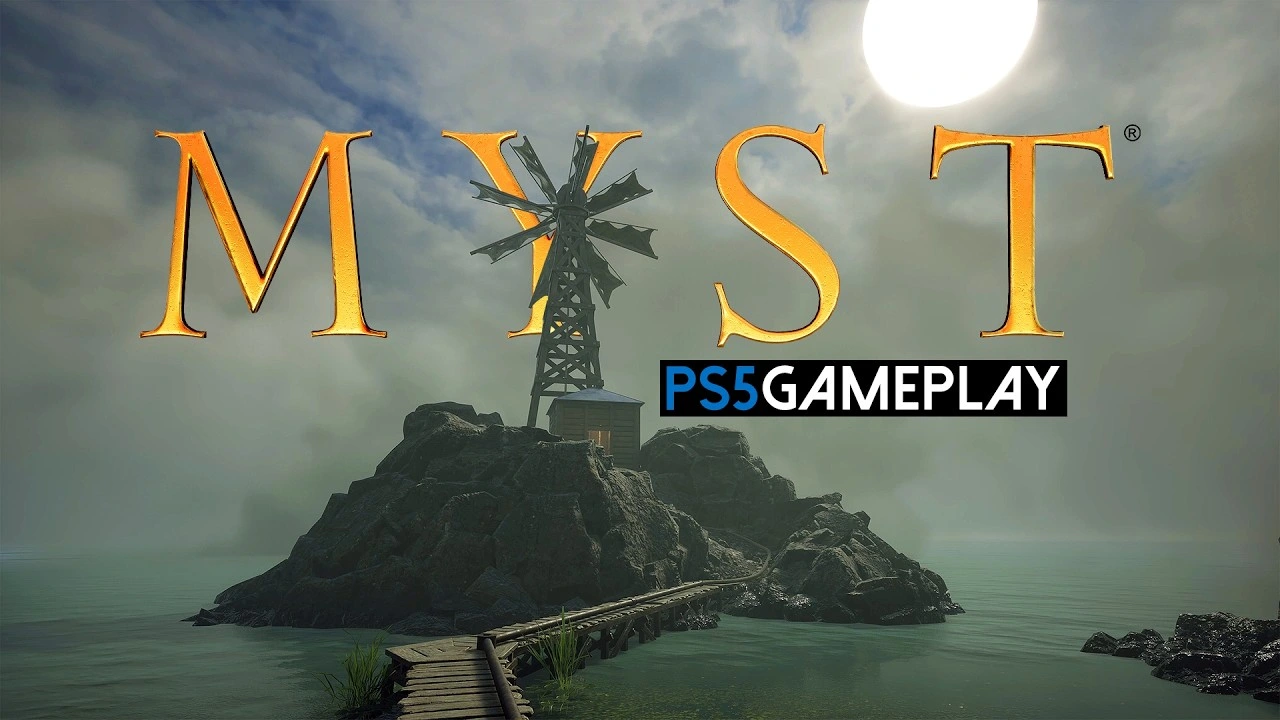
Myst does that quite well. It brings the adventure we know and love back in a fresh new avatar, breathing life into its surreal world while retaining the sense of mystery that’s made it so enduring. But multiple versions of the title have already tried the same trick. Does this one’s tweaks make it special enough to stand tall among its peers? Let’s find out.
The Island Beckons
Let’s start with why you’re on Myst Island in the first place. It’s the home of Atrus, a writer whose travels across various Ages are recorded in mysterious books scattered about the island, hidden behind clever mechanisms. His sons have been trapped in two books for reasons unknown, each blaming the other for his apparent death.
Your task: complete the pages of each son’s book, learning more about their predicament along the way. Getting to those pages is easier said than done—and that’s essentially the crux of the core gameplay loop.
There are no enemies to fight, no death screens to worry about. Instead, Myst challenges your wits by being as opaque as ever. You’re given no context for why you’re on the island, or where to go once you’re there. You learn more the more you explore, though the lack of hand-holding can get frustrating.
Interacting with objects doesn’t always give clear indications of what they do, and several are red herrings—placed deviously enough to have you wondering just what the hell is going on. This is a game that demands diligent exploration and backtracking before it begins to feel rewarding, just like it was back in the day.
A Short Journey, Once You Know the Way
But is that enough to keep you hooked? Your mileage will vary. If natural curiosity won’t let you leave a mystery unsolved, you’ll be captivated. But I can easily see many players dropping off once the novelty wears off—or blazing through thanks to the abundance of helpful guides and walkthroughs available.
That said, blazing through takes away the best part. Myst is a rather short experience once you know what you’re doing. But figuring it all out is where its beauty truly lies—the gameplay and story working together to present a world that guards its secrets jealously until it finds a player clever enough to uncover them.
Visuals That Elevate
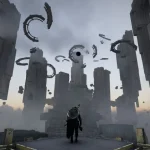
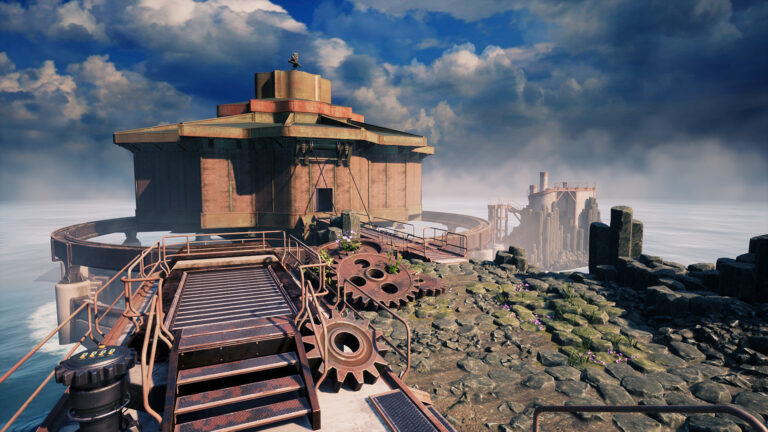
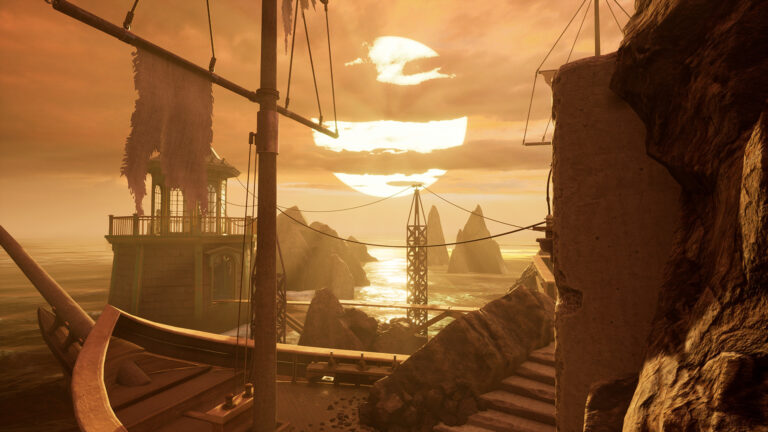
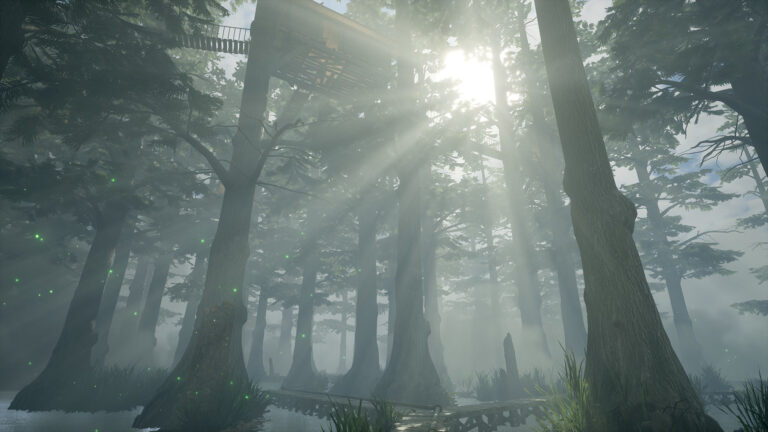
The new graphics are now a great part of the experience. The remake brings improvements to both performance and lighting that elevate this version above the others, at least on the visual front. The levels and environments are detailed well, and the improved draw distances sell the illusion of a distant island beautifully.
Audio design is as good as ever, with the soundtrack used effectively to embellish scenes. The game chugged along smoothly on a base PS5, with consistent framerates making the 2D format feel natural.
Interacting with the world is an important part of the experience, and the remake handles that with aplomb. Your cursor changes contextually when you can touch or engage with an environmental element. The controls could take some getting used to, and the sensitivity on the right stick could use a nerf, but those are minor complaints in the grand scheme.
I love how the new visuals add splendor the original simply couldn’t achieve. Myst Island isn’t setting any benchmarks, but it looks pleasing to the eye nonetheless.
The Price of Nostalgia
But does a new lighting system, a visual overhaul, and a solid translation of the gameplay from VR to a controller merit a $35 price tag? Myst is a classic—a very influential title from gaming’s past. That does count for something. It’s alluring when you first get into it, but if you’ve beaten the game before, it’ll take all of two or three hours to do it again.
You might argue the multiple endings lend it replay value, and that’s true. But I don’t see many players choosing to do it all again—except perhaps for the “canon” ending that sets up its sequel. There’s plenty of material online covering the other endings, after all.
The Question of Danger
The lack of combat, or any sense of danger whatsoever, is another point to consider. Myst‘s concept was ahead of its time, but it’s definitely behind them now. I’m not arguing for adding enemies or artificial challenges—but this one will only challenge your brains, and definitely not your brawn.
That leaves us with nostalgia or curiosity. Your mileage will vary with the former. The latter is where things get interesting. There’s plenty to hold your curiosity if this is your first time playing Myst, but you’ll want to think about whether you’re okay with a game that absolutely stonewalls you at every turn.
The Verdict
Returning players won’t need more than a few hours. Newcomers could always keep a guide handy to skip the hours of wandering—but that strips away part of the game’s innate charm. It takes the mystery out of Myst, and I wouldn’t recommend it.
With a bit of disciplined searching, you could find a balance that works and experience a game that has stood tall for over three decades. Myst is now a modern reminder of an era of video games long gone. As such, it’s something only the most curious will truly enjoy.
For the rest of you? It’s still worth picking up on sale.
Related posts:
 Gothic 1 Remake Review – Flaws and All, a Brutal Return to the Colony
 F1 25: 2026 Season Pack Review – Evolution Over Revolution, But Worth the Upgrade
 EA Sports College Football 27 Review – The Other Football, But Not Quite a Game-Changer
 Brokenlore: FOLLOW Review – Growing Up Too Fast, Haunted Forever
 Granblue Fantasy: Relink – Endless Ragnarok Review – Here We Go Again, and It’s Better Than Ever
 The Alters: Last Variable Review – The Science of Self-Discovery
 Star Fox Review – A Stunning, Faithful Revival That Soars Above Expectations
 Yoshi and the Mysterious Book Review – Delightful, Dazzling, and Surprisingly Deep